Skip to product information
1 of 2

6-Foot Telescoping Ball Retriever

6-Foot Telescoping Ball Retriever

Regular price $51.94
Regular price $0.00 Sale price $51.94
Sale Sold out

6-Foot Telescoping Ball Retriever

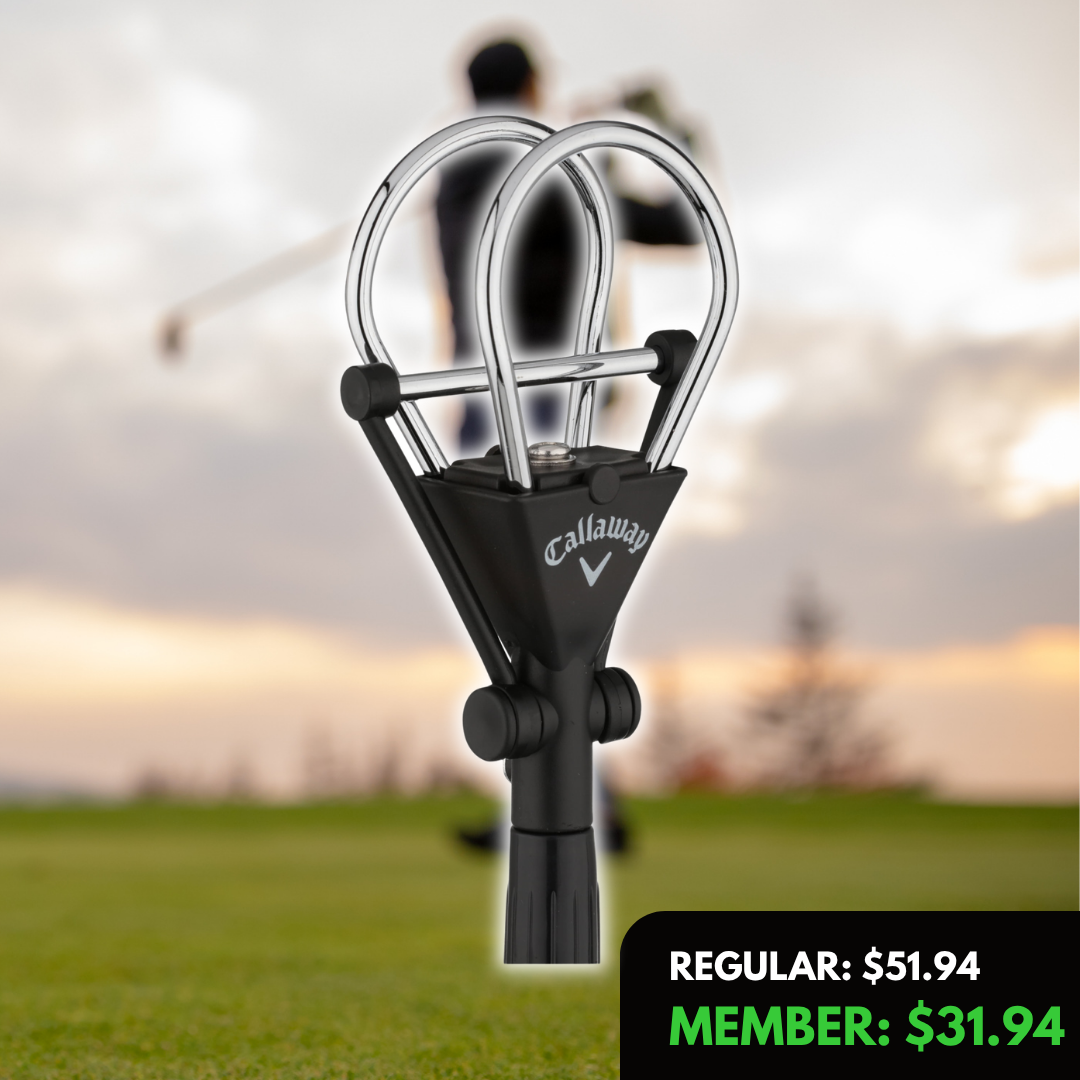
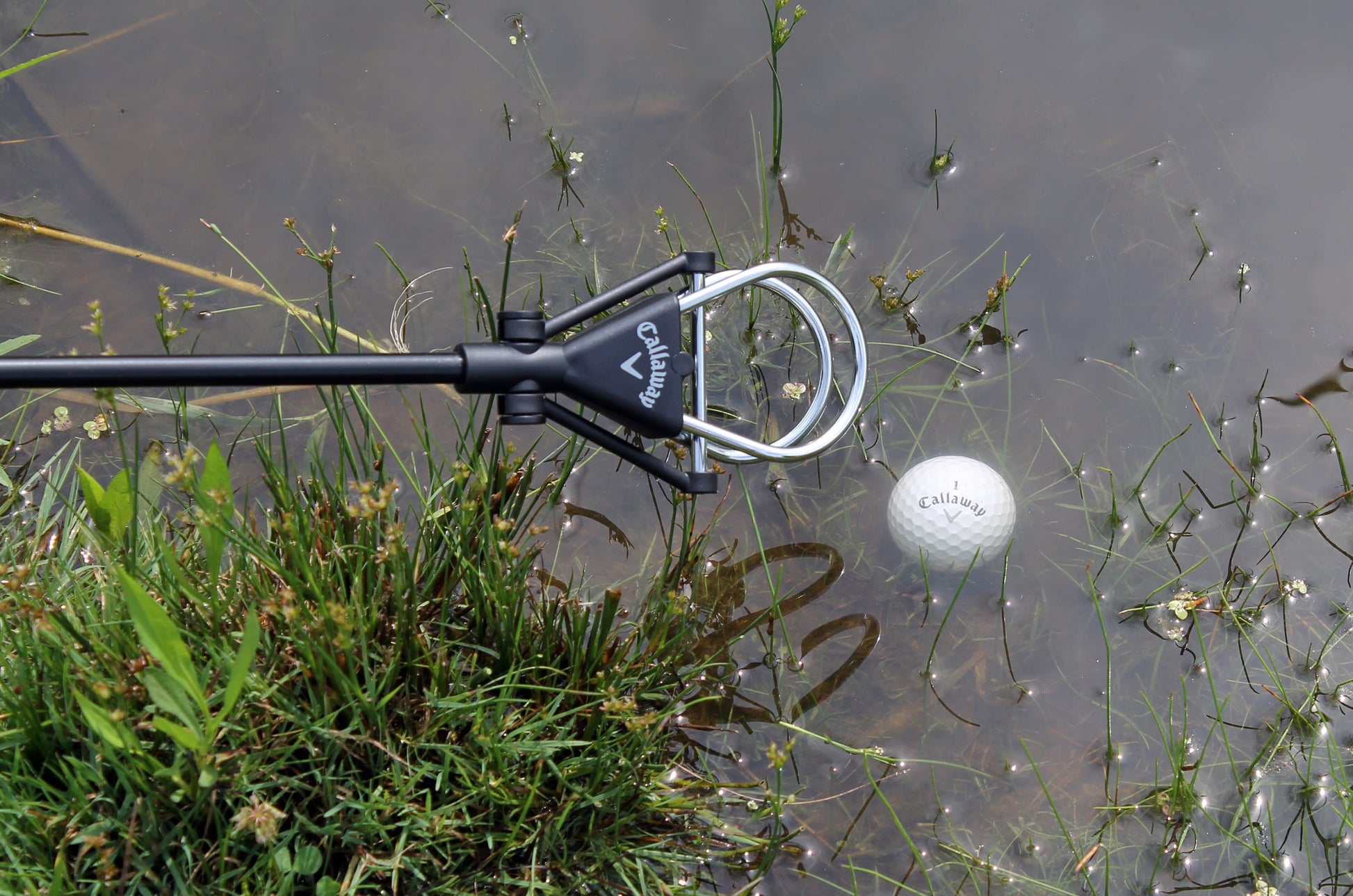
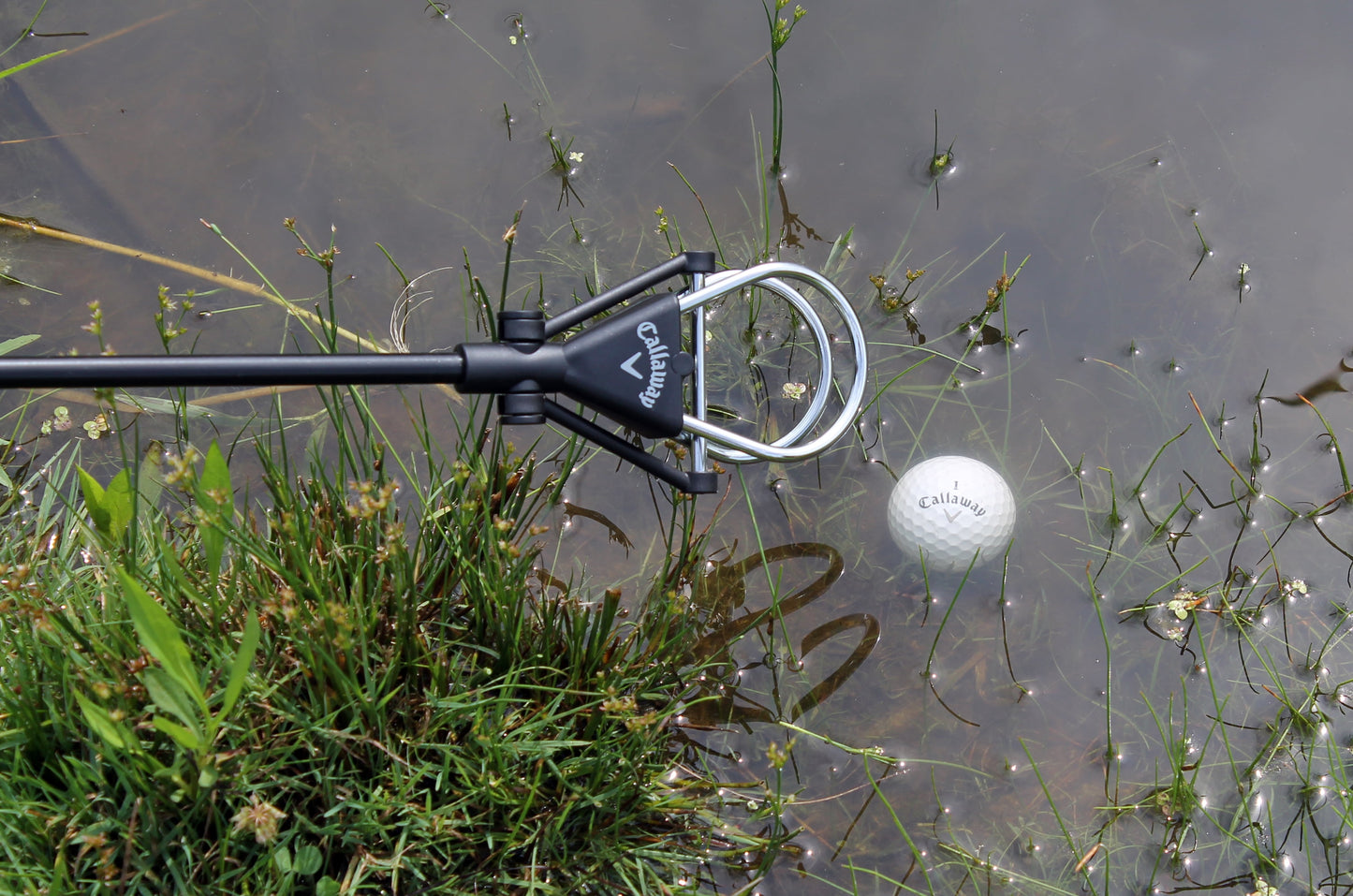
Never lose another ball to the water or rough again — the 6-Foot Telescoping Ball Retriever keeps your game (and wallet) out of trouble. Compact, lightweight, and engineered for quick recovery, this retriever extends with ease to snag balls from hard-to-reach spots.

  • Extends up to 6 feet for maximum reach
  • Durable aluminum alloy shaft with anti-rust finish
  • Ergonomic sure-grip handle for steady control
  • Collapsible design fits easily in your golf bag

Save strokes — and dollars — with the retriever every smart golfer carries.

View full details

Cheap Retrievers Break After Weeks—This Tool Saves Balls For Years

The Retriever That Saves Hundreds Of Dollars Through Years Of Use

Ready To Stop Donating $4 Balls To Water Hazards?

Six-Foot Maximum Reach

Extension that accesses balls in water hazards and deep rough that shorter retrievers can't reach, so you're not watching balls sitting visible but unreachable. Just length that actually retrieves the balls you need to save rather than only reaching obvious ones you could grab by hand.

Durable Aluminum Alloy Construction

Quality metal shaft with anti-rust finish that survives repeated water exposure and mechanical stress of extending and retracting, so you're not replacing bent or corroded retrievers every season. Just materials engineered for the wet conditions and repetitive use ball retrieval requires.

Ergonomic Sure-Grip Handle

Design that provides control when reaching and scooping from awkward positions, so you're not dropping balls or losing control. Just comfortable grip that maintains stability when you're stretched to maximum extension trying to retrieve ball from difficult location.

Collapsible Compact Storage

Telescoping design that collapses to manageable size fitting in any golf bag without taking permanent space, so you're not leaving retriever home because it's too bulky. Just practical portability that ensures you always have tool available when you need to save expensive balls.

Extend Six Feet. Retrieve Balls. Save Money Every Round.

Get Yours Now! 👉
  • Saved 20+ balls first season

    I play course with several water hazards and this retriever saved over 20 balls my first season. At $4 per ball that's $80+ saved for $50 tool. The 6-foot reach handles most pond edge balls I can see. After full season the aluminum shows no rust and mechanism still extends smoothly. Best return on investment.

  • Aluminum survived year of water exposure

    I use this almost every round on water holes. After full year of regular wet conditions the shaft shows no rust or corrosion. The anti-rust finish actually works. Previous steel retriever rusted within months. Quality materials that survive the wet environment ball retrieval requires.

  • Telescoping mechanism stays extended

    When I extend this to full 6 feet it stays locked in position while reaching for balls. No collapsing while I'm trying to scoop. Previous cheap retriever collapsed constantly making retrieval impossible. Quality construction that maintains extension under use.

  • Compact enough to always carry

    Collapsed size fits in my bag alongside clubs without taking significant space. Because I always have it available I actually use it regularly instead of leaving home like bulky retriever I owned before. Portability means I can save balls I'd otherwise abandon.

  • Ergonomic grip provides control

    The handle design gives me control when reaching awkward positions over water. Previous retriever with thin handle was hard to control at full extension. This grip is comfortable and stable even when stretched to maximum reach. Design that actually works during use.

  • Six feet reaches most retrievable balls

    Combined with my arm length I can effectively reach 8+ feet from shore. This covers majority of visible balls worth retrieving. Balls deeper than this are usually not worth effort regardless of retriever length. Practical reach for real-world golf situations.

  • Paid for itself after 10 balls

    At $50 for retriever and $4 per ball, this paid for itself after saving 7 balls. I've now retrieved over 30 balls making this one of smartest equipment investments. Simple math shows value for golfers who play water hole courses regularly.

  • Reduces pressure on water holes

    Knowing I can retrieve balls if I miss slightly gives me confidence on water holes. Reduced anxiety helps me swing more freely rather than steering scared. The psychological benefit beyond money savings actually improved my play on demanding holes.

  • Two years and still retrieving

    This has been in my bag for two full seasons of 40+ rounds per year. The aluminum is still solid, mechanism still works smoothly, and it's saved hundreds of dollars in balls I'd have otherwise lost. Built to last for golfers who play frequently and value practical equipment investments.

FAQs

Is 6 feet actually enough reach for most situations?

Six feet handles majority of recreational golf retrieval needs. Combined with your arm length and stance, you can effectively reach 8-9 feet from shore. This covers most pond edge balls and balls in shallow water hazards. Deep center-of-lake balls aren't retrievable regardless of length. Very deep rough might need longer reach, but 6 feet accesses most visible balls worth retrieving. Longer retrievers (12-15 feet) are heavier, more expensive, and harder to control. For typical water hazards and rough on recreational courses, 6 feet provides practical balance between reach and usability. Most golfers find this length sufficient for saving majority of retrievable balls.

Will aluminum construction actually survive or rust quickly?

Quality aluminum with anti-rust finish resists corrosion significantly better than steel or cheap metal. Aluminum naturally forms protective oxide layer preventing rust. The anti-rust coating adds additional protection. After water exposure, shake off excess water and allow to air dry. With basic care, aluminum retrievers last years in wet conditions. Cheap steel retrievers rust within months of regular use. The material choice is intentional for water exposure applications. Some surface oxidation might develop over years, but structural integrity remains. Proper storage (not leaving wet in bag) maximizes longevity.

Does telescoping mechanism stay extended or collapse accidentally?

Quality telescoping mechanisms use friction or locking systems that maintain extension under normal use. When properly extended, the shaft shouldn't collapse while reaching for balls. Over time with heavy use, mechanisms can loosen slightly. Most failures come from cheap plastic locking systems that break. Metal-on-metal friction systems like quality retrievers use are more durable. If mechanism loosens over years, minor maintenance or replacement sections restore function. The telescoping reliability matters because collapsing while reaching causes lost balls and frustration. Quality construction maintains extension function through hundreds of uses.

Is this worth carrying or does it take too much space?

Collapsed retrievers fit alongside clubs in most bags without significant space penalty. The convenience of saving $4 balls justifies minimal space cost. Many golfers report retrieving 2-3 balls per round on water hole courses. At $4 per ball, retriever pays for itself after saving 5-10 balls. The psychological benefit of knowing you can retrieve wayward shots reduces pressure on water holes. Some golfers never retrieve balls and accept losses as cost of play. Others view retriever as practical investment that pays for itself quickly. If you play courses with water frequently and lose balls regularly, the space cost is justified by money saved.

Can this retrieve balls from trees or just water?

Retrievers primarily work for ground-level or shallow water retrieval. For balls in trees, you'd need different tool (long pole with hook or basket). The scoop end designed for water/ground pickup doesn't work well for elevated retrieval. Some golfers use retriever to knock balls out of low branches, but this isn't primary design purpose and risks damaging mechanism. For balls sitting on pond bottoms, in shallow water, or in thick rough, this excels. For balls stuck in trees or deep underwater, you'll need to accept the loss. The tool is designed for accessible but hard-to-reach balls, not physically impossible retrievals.